How Much Does Sewer Line Repair Cost in Pittsburgh? Homeowner’s Guide
If you’re a Pittsburgh homeowner, the words “sewer line repair” might bring a knot to your stomach. It’s one of those hidden issues—out of sight, out of mind—until one day it’s not. Suddenly, there’s a soggy spot in your yard, or your drains start bubbling like a coffee percolator.
At South Hills Plumber, we know how disruptive and stressful sewer problems can be. This guide unpacks what you need to know about costs, methods, and what makes Pittsburgh’s plumbing landscape unique—so you can make smart, confident decisions.
Understanding Sewer Line Problems in Pittsburgh 🏞️
Our city has a personality all its own—and so do its pipes. Pittsburgh’s neighborhoods are laced with older homes, mature trees, and shifting clay soils. These factors can wreak havoc on sewer lines:
- Tree roots seek moisture, sneaking into small pipe cracks.
- Clay soil expands and contracts, putting pressure on underground lines.
- Aging infrastructure means many pipes are decades old, sometimes even original to the house.
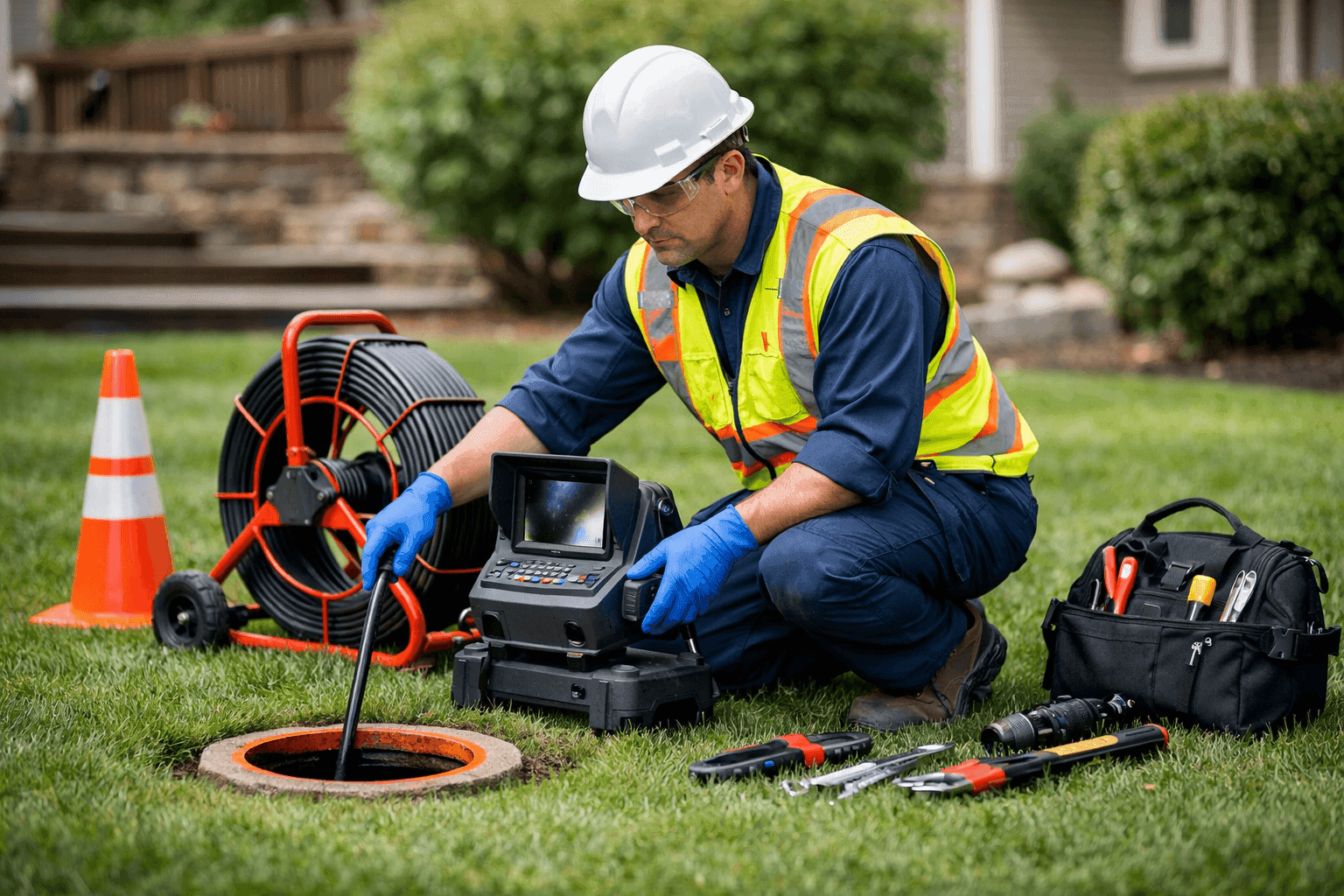
Sewer line issues often start small: slow drains, foul odors, or patches of lush grass. Left unchecked, these can morph into bigger headaches—like backups or collapsed lines. Early detection is key. That’s where sewer-line-inspection comes in. Using specialized cameras, plumbers can pinpoint problems before they spiral into emergencies.
What Affects Sewer Line Repair Costs?
Sewer repairs aren’t one-size-fits-all. Multiple factors shape the final bill:
- Length of the damaged section: Longer repairs mean more labor and materials.
- Depth: Deeper pipes (sometimes 6–10 feet below ground in Pittsburgh) require extra excavation.
- Location: Pipes under driveways, patios, or mature trees are harder (and pricier) to reach.
- Repair method: Traditional dig-and-replace or newer trenchless technologies.
- Permits and inspections: Pittsburgh requires permits and code-compliant repairs, adding to the cost.
- Disposal fees: Old pipe material and contaminated soil must be handled properly.
Typical range: For a straightforward spot repair, expect anywhere from $1,500 to $4,000. Full sewer line replacement can run $5,000 to over $15,000, depending on length and method. Trenchless options (when possible) may cost more up front but often save on yard restoration.
Pro tip: Pennsylvania’s Uniform Construction Code and local ordinances set standards for pipe materials, installation depth, and backflow prevention. Always choose a plumber who pulls appropriate permits and follows code.
Traditional vs. Trenchless Methods
Picture this: the old way meant digging up your entire yard—a muddy mess, torn-up landscaping, and weeks of disruption. That’s the traditional method.
Trenchless repair is like keyhole surgery for your pipes. There are two main techniques:
- Pipe bursting: A new pipe is pulled through the old one, breaking the damaged line as it goes.
- Pipe lining: A resin-soaked liner is inserted and cured inside the existing pipe, creating a smooth new interior.
Pros of trenchless:
- Less mess and faster completion.
- Often preserves landscaping and hardscapes.
- Can be cost-effective for longer runs.
Cons:
- Not suitable for every situation (severely collapsed pipes may still require digging).
- Higher up-front material costs.
At South Hills Plumber, we assess your property and recommend the best fit for your situation. We’re always upfront about what’s possible and what’s not.
When to Replace vs. Repair
Think of sewer line repair like patching a leaky roof. Sometimes, a quick fix is enough. Other times, a full replacement is the only way forward.
Repair might be enough if:
- The damage is isolated—a crack or joint issue.
- The rest of the pipe is in good condition.
Replacement is needed when:
- The pipe is extensively corroded, bellied, or collapsed.
- Multiple sections are failing at once.
- You’ve had repeated backups or repairs in recent years.
A professional inspection is the only way to know for sure. We use video cameras and pressure testing to map out the problem—no guesswork, just facts.
How to Budget and What to Expect 💵
Facing a sewer repair can feel like staring down a surprise storm. Here’s how to plan:
- Inspection/diagnosis: Budget $200–$600 for a comprehensive sewer-line-inspection.
- Permitting: Pittsburgh requires permits for most sewer work, usually $100–$400.
- Repair/Replacement: As noted, spot repairs start around $1,500, full replacements vary widely based on length, depth, and method.
- Restoration: Don’t forget about yard repair, reseeding, or replacing sidewalks if needed.
What’s included in a typical repair:
- Locating and exposing the damaged section.
- Removal and replacement (or lining) of the pipe.
- Backfilling and compacting soil.
- City inspection and final approval.
What’s not included:
- Landscaping, hardscape, or driveway replacement—ask for an itemized quote to avoid surprises.
Budgeting tips:
- Get a detailed, written estimate.
- Ask about trenchless options.
- Factor in future-proofing—sometimes upsizing the pipe or adding backflow prevention now can save money later.
The Inspection & Diagnosis Process
Early detection is your wallet’s best friend. Ignoring slow drains or strange smells only lets problems grow bigger and more expensive.
Here’s what you can expect when you call South Hills Plumber:
- Initial assessment: We’ll listen to your concerns and inspect visible plumbing.
- Camera inspection: A waterproof camera snakes through the sewer line, sending real-time images.
- Locate the problem: We mark exactly where the issue is—no unnecessary digging.
- Discuss options: We’ll walk you through repair vs. replacement, traditional vs. trenchless, and what fits your budget.
Our team follows the City of Pittsburgh’s code requirements and OSHA safety standards at every step.
Why Early Detection Saves Money
Catching a small leak or root intrusion early is like spotting a pothole before it gets big enough to swallow your tire. Minor repairs are always less expensive—and less disruptive—than waiting until the pipe collapses.
Watch for:
- Gurgling drains.
- Wet spots in the yard.
- Unexplained spikes in your water bill.
- Persistent sewer odors.
If you notice these, don’t wait. Call for Leak Detection in Pittsburgh, PA, and protect your home from bigger, costlier headaches.
Local Factors That Impact Pittsburgh Sewer Repairs 🌳
Pittsburgh’s unique challenges can affect both the price and the approach:
- Clay soils are common in many neighborhoods, leading to ground shifts that stress pipes.
- Steep hillsides can make access tricky and require special safety measures.
- Mature trees may have roots wrapping around pipes, especially in older areas like Mt. Lebanon or Dormont.
- Older homes (pre-1970) often have clay or cast iron pipes near the end of their service life.
Understanding these local quirks helps South Hills Plumber tailor repairs to your property—not just a generic solution off the shelf.
Related Services
If you’re dealing with sewer line troubles, you might also need:
- Sewer Line Inspection: Accurate diagnosis with video camera technology.
- Sewer Line Installation: For new construction or total pipe replacement.
Strong Plumbing, Local Know-How
Sewer line repairs aren’t just about pipes—they’re about your family’s comfort, property value, and peace of mind. South Hills Plumber is proud to serve Pittsburgh with transparent pricing, code-compliant repairs, and local expertise.
Call South Hills Plumber now — or reach us anytime at (412) 530-4149 .