Emergency Plumbing in Pittsburgh: What to Do Before Help Arrives
Life in Pittsburgh has its share of surprises—stormy nights, frigid winters, and sometimes, a plumbing catastrophe when you least expect it. A burst pipe or water gushing through your ceiling isn’t just stressful—it’s a race against time. At South Hills Plumber, we know what’s at stake. Quick action can make all the difference.
Whether you’re faced with a flooded basement or an overflowing toilet, you don’t have to feel powerless. Here’s how to stay calm, take control, and limit damage until help arrives.
Recognizing a Plumbing Emergency 🚨
Some plumbing problems are just minor annoyances. Others can turn a good day upside down in minutes. How do you know when it’s time to pick up the phone right away?
- Burst Pipes: Water spraying from a pipe can soak walls, floors, and valuables in seconds. Pittsburgh’s freeze-thaw cycles make this all too common.
- Basement Flooding: Heavy rains and overwhelmed sump pumps spell trouble for many area homes.
- Water Heater Leaks: Hot water pooling around your tank? That’s a sign of trouble—especially if you smell gas.
- Overflowing Toilets: If water’s rising faster than you can mop, it’s an emergency.
If you see water where it shouldn’t be (especially near electrical outlets), act fast. Time is critical.
Immediate Steps to Protect Your Home
Every minute counts. Here’s what you can do right now:
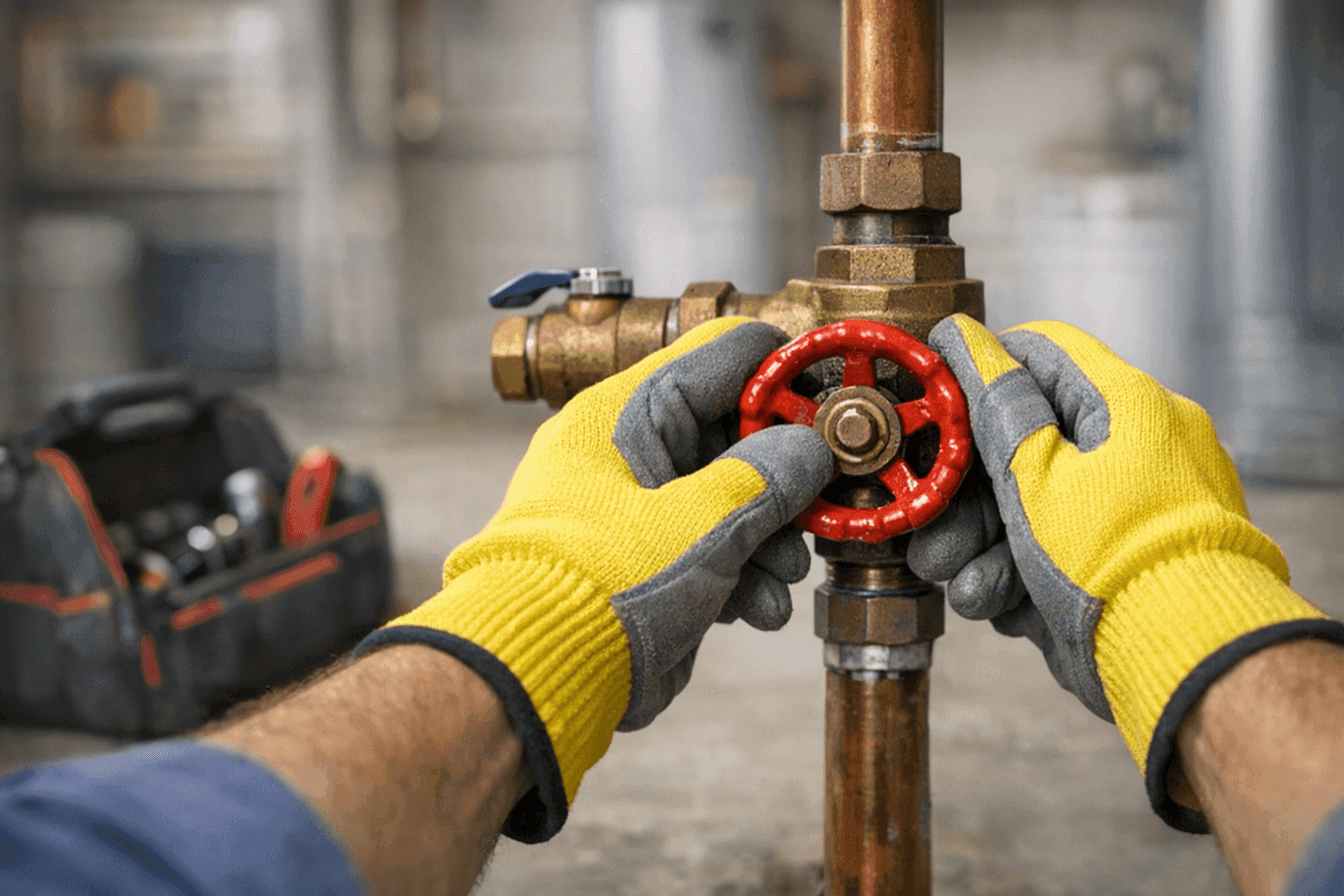
- Shut Off the Water: Know where your main valve is. In most Pittsburgh homes, it’s near where the water line enters the basement. Turn it clockwise (righty-tighty).
- Move Valuables: Lift electronics, rugs, and furniture away from wet floors.
- Kill the Power (if safe): If water nears electrical outlets or appliances, turn off electricity at the breaker. Do not wade through water to do this.
- Contain the Leak: Use buckets, towels, or even baking pans to catch drips.
- Ventilate: Open windows to help dry the area and reduce humidity.
- Document Damage: Snap photos for insurance—before you start cleaning.
If you’re dealing with sewage, avoid contact. Sewage can contain harmful bacteria and requires professional cleanup.
How to Safely Shut Off Water and Gas
When disaster strikes, knowing what to do is half the battle.
Shutting Off the Main Water Valve
- Find the Valve: Basements, crawl spaces, or utility closets are common spots.
- Turn It Off: Use a sturdy hand or wrench. Turn clockwise until it stops.
- Check for Leaks: Once off, listen for running water. If you still hear it, you may have secondary valves to close.
Gas Safety
If you smell gas (like rotten eggs), do not use switches or phones inside. Leave immediately and call your utility company from a safe spot. Never try to repair gas lines yourself—this is a job for licensed professionals.
What Information to Give Your Plumber 📞
A clear, detailed call helps us get to you—and solve your problem—faster. Here’s what to have ready:
- Your Address: Include details (apartment number, side entrance, etc.).
- Nature of Emergency: Be specific (e.g., “water spraying from basement pipe” or “sewage backing up in tub”).
- Any Shut-Off Actions: Let us know if you’ve turned off water or gas.
- Visible Damage: Describe what you see—water levels, affected rooms, electrical hazards.
- Pets or Special Needs: If you have pets or anyone needing extra help, mention it so we can plan accordingly.
Our team at South Hills Plumber is trained to ask the right questions, but this head start saves precious minutes.
Quick Safety Checklist ✔️
- Locate and turn off main water valve.
- Turn off power if water nears outlets.
- Move valuables to a dry area.
- Avoid contact with sewage.
- Call a professional immediately.
- Document the situation for insurance.
DIY or Call a Pro?
Some small leaks or clogs can wait, but when in doubt, always call. Here’s a quick gut check:
Call South Hills Plumber if:
- Water won’t stop flowing after shut-off.
- You suspect a gas leak.
- There’s sewage backup.
- Your water heater is leaking or making strange noises.
- Basement flooding is worsening during a storm.
DIY is fine for tightening a faucet or plunging a minor clog. But emergencies need fast, skilled hands.
What Pros Do On Arrival
When our licensed plumbers arrive, here’s what happens:
- Assessment: We quickly inspect the source and scope of the damage.
- Leak Detection: Using advanced tools, we trace hidden leaks—especially important for older Pittsburgh homes.
- Targeted Repairs: We focus on the root issue, not just patching symptoms.
- Safety First: Following Pennsylvania plumbing code, we ensure repairs meet safety guidelines.
- Cleanup & Advice: We’ll help you understand next steps for drying out, repairs, and preventing mold.
You’ll always know what we’re doing, why, and what to expect.
Prevention & Maintenance
Many emergencies can be avoided with regular care:
- Annual Leak Detection in Pittsburgh, PA: Spot small issues before they become floods.
- Sump Pump Checks: Especially before spring storms or thaw.
- Water Heater Inspections: Sediment buildup or faulty valves can cause leaks or bursts.
- Insulate Pipes: Keep pipes warm in winter to prevent freezing and bursting.
The American Red Cross and local codes recommend routine checks for all homes—especially in older Pittsburgh neighborhoods.
Costs & Time Factors
Every emergency is different. Here’s what affects response and repair times:
- Severity: Burst pipes or active flooding take priority.
- Location: Central Pittsburgh homes may see quicker arrival than outlying areas.
- Parts Needed: Some repairs need special-order parts; others are same-day fixes.
- Insurance: Save receipts and photos—they can speed up claims.
While we don’t quote prices here, we believe in clear communication and will explain costs before any major work is done.
When It’s an Emergency
If you’re ever unsure, ask yourself:
- Is water or sewage spreading fast?
- Are there signs of electrical hazards?
- Is there a risk of property damage or personal injury?
- Is your only bathroom out of commission?
If yes, call immediately. Delayed action can turn a small problem into a major repair.
Frequently Asked Questions
How quickly can a plumber arrive during an emergency?
We prioritize emergencies and aim for rapid response, especially for active leaks or flooding. Traffic, weather, and call volume can affect timing, but our local team is nearby.
Do I need to leave my home?
If there’s risk of electrical shock, gas leaks, or sewage exposure, evacuate and wait for professional help.
Will my insurance cover water damage?
Most policies cover sudden, accidental water damage but not neglect. Document everything and contact your agent promptly.
Should I try to unclog my toilet during a backup?
If water is rising, stop and call. Plunging can make things worse if the main sewer line is blocked.
Local & Seasonal Considerations 🌧️
Pittsburgh’s hills and weather bring special challenges. Heavy rain can overwhelm storm drains and sump pumps, leading to basement floods. Winter cold spells are notorious for frozen—and burst—pipes.
- Test your sump pump every spring and fall.
- Let faucets drip in deep freeze to prevent freezing.
- Know your home’s plumbing quirks; older homes may have hidden risks.
Related Services
If your emergency involves your sump pump or water heater, South Hills Plumber is ready to help:
Take Action—Don’t Wait
The faster you act, the less damage you’ll face. Our team is here for you day or night, rain or shine, with the know-how Pittsburgh homes and businesses need.
Call South Hills Plumber now — or reach us anytime at (412) 530-4149 .