Preventative Plumbing Maintenance in Pittsburgh: Annual Checklist
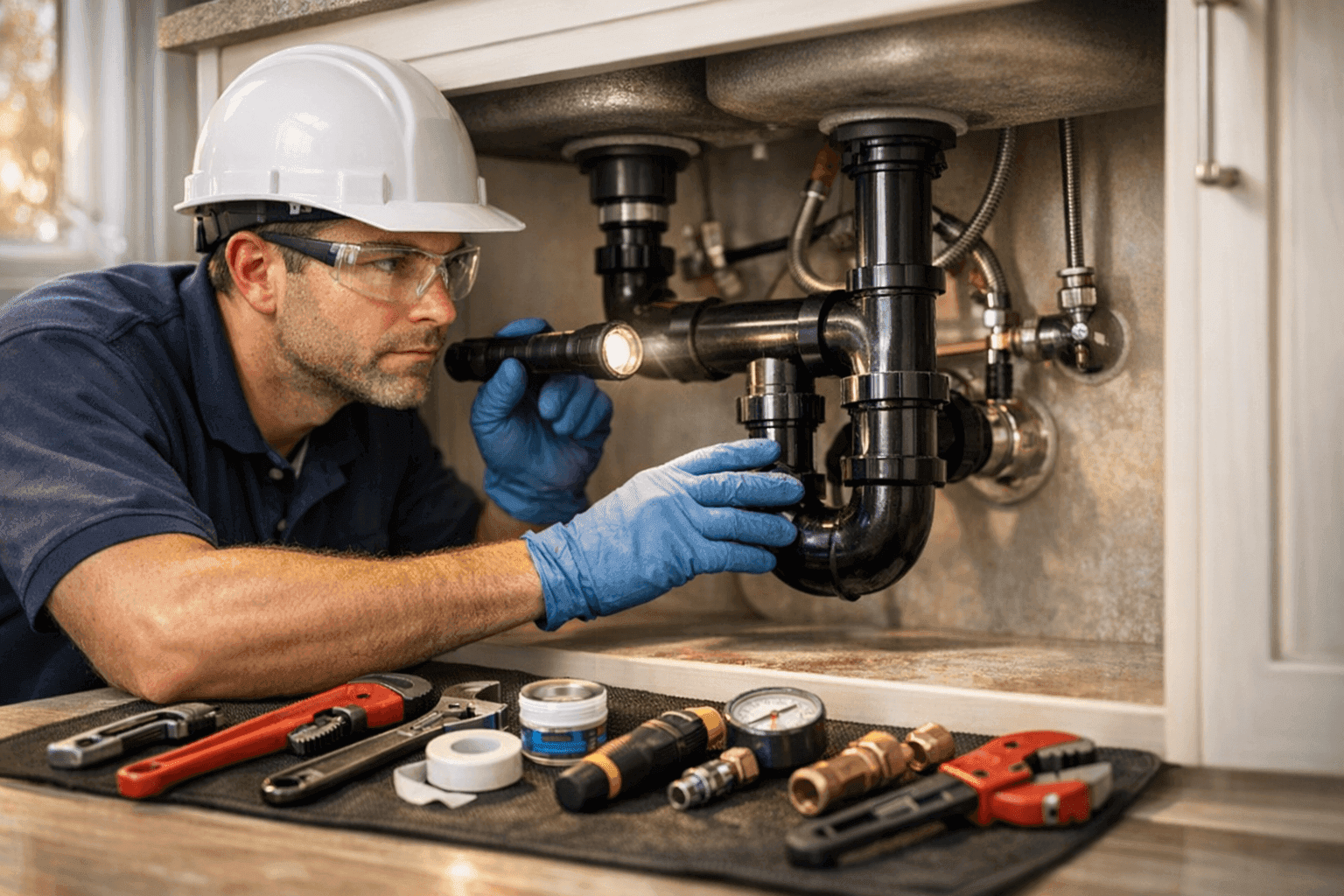
Is your plumbing ready for another Pittsburgh winter? Or the spring thaw? Every homeowner and business in Allegheny County knows—one burst pipe, and life gets messy fast.
At South Hills Plumber, we’ve seen firsthand how a little care, taken regularly, can save thousands in surprise repairs. We know the local building codes, the quirks of Pittsburgh’s water, and the real-world steps that keep homes safe and dry all year long.
Why Preventative Maintenance Matters in Pittsburgh 🛠️
Pittsburgh’s seasons aren’t gentle on pipes. Icy winters test every joint and valve. When spring arrives, melting snow and rain push sump pumps and drains to their limits.
Think of your plumbing like your car. It needs tune-ups—especially here, where swings in temperature and mineral-rich water can wear out pipes from the inside out. Without regular attention, small leaks can become emergencies. The result? Water damage, insurance headaches, and lost sleep.
But with a clear plan, you keep control. Preventative maintenance doesn’t just avoid disaster. It also preserves your property value, helps with insurance claims, and gives you peace of mind that your plumbing is up to code.
Seasonal Plumbing Checklist
A little attention, month by month, can make all the difference. Here’s how Pittsburghers can keep their plumbing in top shape:
January–March: Deep Freeze Defense
- Insulate exposed pipes in unheated spaces (attics, garages, basements).
- Let faucets drip on the coldest nights to prevent freezing.
- Test your sump pump—pour a bucket of water into the pit and see if it cycles properly.
- Check for leaks around windows and foundation; melting snow finds every weakness.
- Monitor water pressure—a sudden drop could mean a frozen or burst pipe.
April–June: Spring Thaw & Rain
- Inspect sump pumps and battery backups before heavy rains.
- Clear gutters and downspouts—direct water away from the foundation.
- Drain and flush water heaters to remove mineral buildup.
- Check for signs of water damage in basements and crawl spaces.
- Schedule sewer line inspection if you notice slow drains or gurgling.
July–September: Summer Tune-Up
- Check outdoor faucets and hoses for leaks from winter damage.
- Inspect sprinkler and irrigation systems for leaks or misaligned heads.
- Clean drains in kitchens and bathrooms to prevent backups.
- Test water shut-off valves—make sure you can turn them easily in an emergency.
- Look for signs of mold or musty smells, especially after storms.
October–December: Pre-Winter Prep
- Drain and shut off outdoor spigots before the first freeze.
- Test water heater—set to 120℉ for safety and efficiency.
- Check boiler systems if you have radiant heat.
- Inspect for leaks at toilets, under sinks, and around water heaters.
- Schedule annual backflow prevention testing (as required for many Pittsburgh properties).
Common Issues Prevented by Regular Care
Routine checks help you spot trouble before it escalates. Here’s what regular maintenance protects against:
- Frozen or burst pipes—a Pittsburgh winter classic
- Hidden leaks that cause costly water bills and mold
- Clogged drains and sewer backups—especially after heavy rain
- Failing sump pumps that leave basements flooded
- Degraded water heaters that spike energy bills or deliver rusty water
According to the Allegheny County Health Department, proactive plumbing care is a key factor in maintaining a healthy, code-compliant home. Early action means smaller repairs—and bigger savings.
When to Call a Pro
Some things are DIY-friendly. Others need a licensed plumber who knows Pittsburgh’s codes and quirks. Here’s when to pick up the phone:
- You can’t find the source of a leak
- Water pressure drops sharply, or you see water stains
- Drains back up repeatedly
- Sump pump runs constantly or not at all
- You hear banging pipes or persistent dripping
A professional inspection includes pressure tests, video camera sewer inspections, and a clear, written report. At South Hills Plumber, we walk you through every finding—no jargon, no sales pitches, just facts and clear next steps.
How Maintenance Impacts Home Value, Insurance & Peace of Mind
Consistent plumbing care isn’t just about avoiding headaches. It can:
- Protect your home’s value: Buyers notice well-maintained systems.
- Satisfy insurance requirements: Many insurers ask about plumbing updates and maintenance.
- Deliver peace of mind: No more worrying about the next big storm or sudden freeze.
We work with Pittsburgh’s latest local plumbing codes and provide transparent inspection reports, so you have documentation for insurers, buyers, or your own records.
Spotting Issues Early: Practical Tips
- Listen for unusual sounds—whistling, banging, or running water can signal hidden problems.
- Watch for signs of moisture—stains, soft spots, or musty smells.
- Check your water bill—an unexplained spike may mean a hidden leak.
Stay alert, and act fast. Small changes can be signals that it’s time to check your system or call in help.
Authoritative Resources
For more on local code requirements, see the City of Pittsburgh’s Plumbing Code and guidance from the Allegheny County Health Department. These set the standards we follow on every job.
Related Services
For more details on year-round maintenance, visit our Preventative Maintenance page. If you need help with a stubborn clog or leaking pipe, see our Drain Cleaning and Pipe Repair services.
Ready to Protect Your Plumbing?
Small steps today mean fewer surprises tomorrow. Whether you’re a homeowner or manage a business in Pittsburgh, South Hills Plumber is here to help your pipes weather every season.
Call South Hills Plumber now — or reach us anytime at (412) 530-4149 .